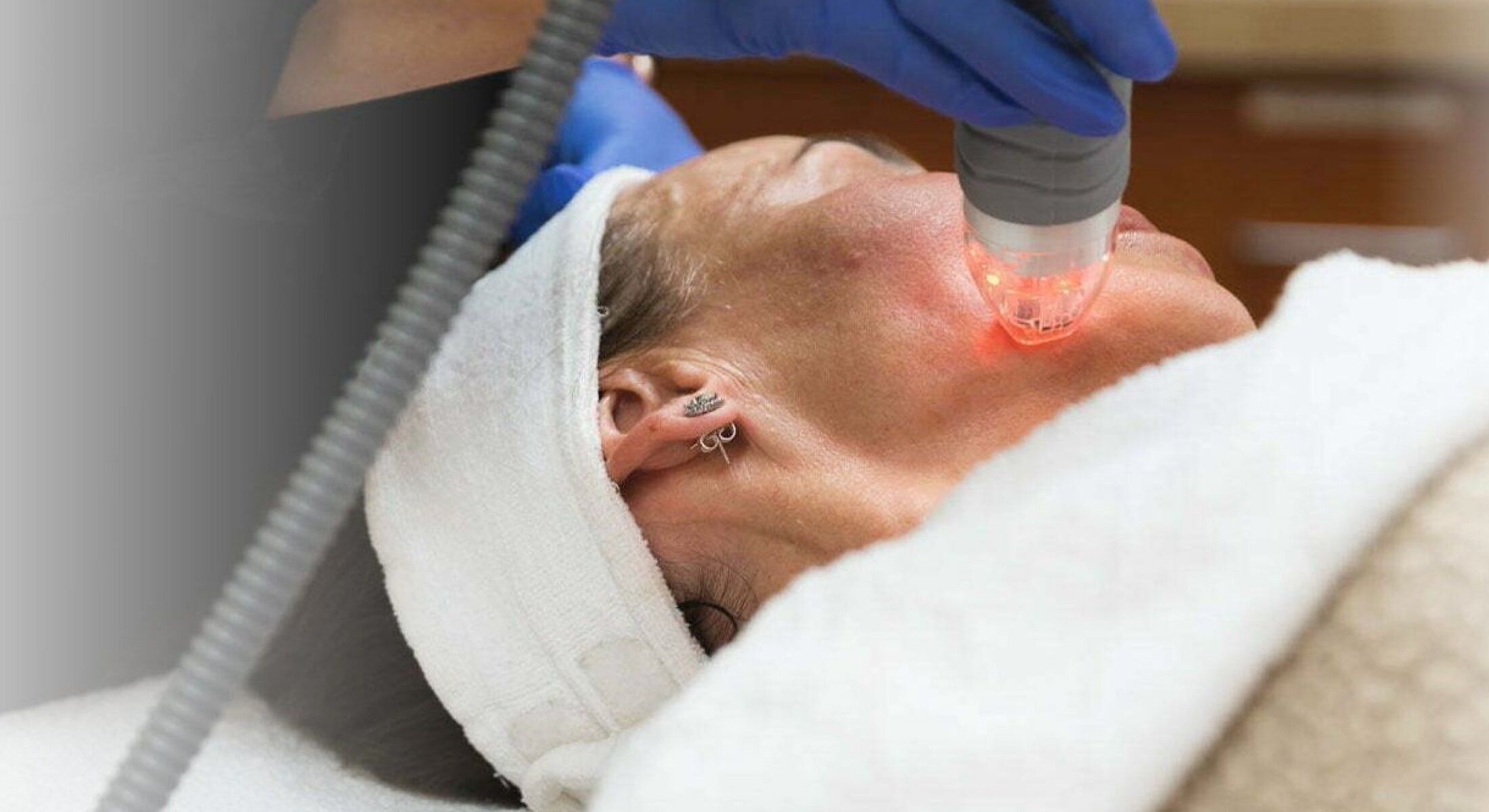
Dermaplaning has a place in skin care that doesn’t get enough credit. It’s not the dramatic reset, the deep resurfacing treatment, or the appointment that requires you to rearrange your week. It’s a treatment that makes the rest of the plan work a little better. At Allegro MedSpa, dermaplaning is a low-downtime option for Marin County patients who want smoother skin, better product application, and a polished surface before an event, facial, or seasonal skincare refresh.
Dermaplaning is a non-invasive exfoliation treatment that uses a sterile surgical blade to remove dead skin cells and fine vellus hair, also called peach fuzz, from the skin’s surface. The treatment helps skin look smoother, brighter, and more even right away, with no required downtime.
The treatment is simple from the patient’s side, but the technique matters. Your aesthetician works at a controlled angle, using careful pressure to clear the surface layer without overworking the skin.
Dermaplaning fits the way many patients actually want to care for their skin: steady, thoughtful maintenance rather than a big recovery moment. The appointment is quick, the skin looks smoother right away, and there is no real pause on the calendar.
It's also a good treatment before moments where skin needs to cooperate. Weddings, Wine Country weekends, professional photos, vacations, and work events all come up. The change is subtle, but useful. Foundation glides better. Sunscreen spreads more evenly. The skin catches light in a cleaner way.
Dermaplaning improves surface-level texture, dullness, and peach fuzz. It is best for patients who want smoother, brighter skin rather than correction of deeper wrinkles, scars, or pigment.
Dermaplaning can help improve:
Dermaplaning works at the surface, which is why patients see a quick change and can get back to the day without planning around peeling or swelling.
Dermaplaning works by manually exfoliating the top layer of the skin. Your aesthetician uses a sterile blade to remove dead skin cells and fine facial hair from the surface. The treatment doesn’t cut living tissue or change the structure of the hair follicle.
That last point comes up a lot. Dermaplaning will not make peach fuzz grow back thicker or darker. Vellus hair has a soft, fine structure, and removing it at the surface does not change how the follicle grows hair.
The difference between professional dermaplaning and a quick pass with an at-home facial razor comes down to control. Angle, pressure, skin tension, and skin condition all matter. A trained aesthetician knows when to keep going, when to lighten up, and when the skin needs a gentler plan.
Dermaplaning is useful because it gives the skin a smoother surface right away. It can be used on its own or placed into a larger skin maintenance plan.
Benefits of dermaplaning may include:
For the right patient, dermaplaning is a small appointment with a very usable payoff: skin that feels smoother, cleaner, and easier to work with.
A good candidate for dermaplaning has dullness, peach fuzz, or surface texture and wants a quick, non-invasive treatment. It is a strong fit for patients who want polish without peeling, heat, or recovery time.
You may be a good candidate if your skin feels rough, dry, or dull, or if fine facial hair affects how makeup sits. Dermaplaning can also be a good maintenance treatment between facials, Hydrafacial, light peels, or laser treatments when the timing makes sense.
Dermaplaning should wait if you have active acne, open cuts, sunburn, an eczema flare, a rosacea flare, active cold sores, infected skin, or clear irritation. Your provider may also adjust timing if you had a recent peel, laser treatment, microneedling, waxing, or a strong retinoid reaction.
Good dermaplaning starts with calm skin. If the skin barrier is irritated, Allegro’s team will help you get it settled first.
Dermaplaning doesn’t ask much from you before the appointment. In the days leading up to treatment, avoid harsh scrubs, aggressive exfoliation, at-home facial razors, and strong active products if your skin already feels dry or sensitive. Retinoids may need a short pause depending on your skin and your provider’s guidance.
Arrive with clean skin if you can, though makeup can be removed in-office. Avoid heavy sun exposure before treatment, and let Allegro know if you have active breakouts, cold sores, recent procedures, or new irritation. The best dermaplaning visit starts with skin that is ready to be treated.
A dermaplaning appointment feels simple, calm, and precise. At Allegro, your aesthetician first looks at your skin to make sure treatment makes sense that day. If the skin is irritated or breaking out, the plan may change.
The skin is cleansed, dried, and held taut while the sterile blade is passed across the surface in careful strokes. Patients usually feel a light scraping or soft brushing sensation. It shouldn’t feel sharp or painful.
After the exfoliation is complete, your aesthetician may apply calming skincare, hydration, and SPF. The appointment usually takes about 30 to 45 minutes, depending on whether dermaplaning is performed alone or paired with another treatment.

Dermaplaning has little to no downtime for most patients. The skin may look a little pink right after treatment, especially if you’re sensitive, but that tends to settle fast.
Most patients leave the office and return to normal activities. The skin may feel extra smooth, clean, or a little tight for the first day.
Social downtime is minimal. Many patients schedule dermaplaning before events because the skin looks smoother right away. If your skin runs sensitive, give yourself a day or two before a major event so any pinkness can fade.
Makeup can often be worn after dermaplaning, but waiting until the next day is better for sensitive skin. Freshly exfoliated skin deserves a little room.
Avoid heavy sweating, direct sun exposure, and heat for the rest of the day if your skin feels sensitive. SPF matters after dermaplaning because the freshly exfoliated surface can be more sun-reactive.
Keep skincare gentle for the first day or two. Avoid scrubs, strong acids, and retinoids until your provider says it’s safe to restart them. Hydration and sunscreen should be the priority.
Dermaplaning results show right away. The skin usually feels smoother as soon as the appointment is finished, and brightness can look even better once any mild pinkness fades.
Timing | What Patients May Notice |
|---|---|
| Same Day | Smoother texture, peach fuzz removal, possible mild pinkness |
| 24 Hours | Skin may look brighter and feel calmer |
| 1 Week | Makeup and skincare may continue to apply more smoothly |
| 3–6 Weeks | Surface buildup and peach fuzz gradually return |
Dermaplaning is a maintenance treatment. The skin looks fresh, then surface buildup returns as the skin renews itself.

Most patients schedule dermaplaning every 3 to 6 weeks, depending on skin type, hair growth, and skincare goals. Some use it monthly as part of routine maintenance. Others book it before a specific event.
The right rhythm depends on how your skin responds. Sensitive skin may need more space between visits. Patients using medical-grade skincare or combining dermaplaning with facials may follow a more structured plan.
Dermaplaning is one exfoliation option, and it has its own lane. It’s especially helpful when peach fuzz, dull surface buildup, and uneven makeup application are the main concerns.
Dermaplaning uses a sterile blade to remove dead skin cells and peach fuzz. Microdermabrasion uses mechanical exfoliation to polish the skin. Dermaplaning is usually the better fit when fine facial hair is part of the concern.
A chemical peel uses acids to loosen dead skin cells and create controlled exfoliation. Dermaplaning removes surface buildup by hand. Peels can work at different depths depending on the formula, while dermaplaning stays at the surface.
Hydrafacial cleanses, exfoliates, extracts, and hydrates the skin. Dermaplaning focuses on manual exfoliation and peach fuzz removal. Many patients like combining the two because dermaplaning smooths the surface, while Hydrafacial adds cleansing and hydration.
At-home facial razors can remove some peach fuzz, but they don’t give the same control as professional dermaplaning. In-office treatment uses a sterile blade, trained technique, controlled pressure, and a better view of the skin. That helps reduce the risk of irritation, uneven exfoliation, and small nicks.
Dermaplaning can work well with other skin treatments when timing is planned with care. It’s commonly paired with Hydrafacial, light chemical peels, calming facials, and medical-grade skincare.
It may also fit into a larger plan that includes Clear + Brilliant, BBL, IPL, microneedling, or laser resurfacing, but timing matters. Some treatments should not be stacked on the same day. Allegro’s team can help decide when dermaplaning supports the plan and when the skin needs a different sequence.
Allegro MedSpa was built around care that feels personal, informed, and never rushed. The practice’s mission is to add joy to patients’ lives through genuine caring, generosity of spirit, and the quality of its work. That philosophy shows up in small treatments as much as larger ones.
Dermaplaning may look simple, but the best results come from judgment. Allegro’s aestheticians look at skin condition, sensitivity, product use, recent treatments, and timing before they begin. If your skin barrier needs support first, they will tell you. If dermaplaning fits well with a facial, peel, or skincare plan, they can explain why.
For Marin County patients visiting Allegro in Santa Rosa, the value is the larger skin-health approach. Dermaplaning is one tool within a broader medspa platform guided by experienced providers, medical-grade skincare, and surgeon-led standards through Plastic Surgery Associates.
Schedule a dermaplaning appointment or skin consultation at Allegro MedSpa in Santa Rosa to find out if this treatment fits your skin, timing, and goals.
No. Dermaplaning doesn’t change the hair follicle, so peach fuzz doesn’t grow back thicker, darker, or coarser. The hair may feel blunt as it first returns because it was cut at the surface, but its structure has not changed.
Professional dermaplaning is more controlled than shaving with an at-home facial razor. It uses a sterile blade, proper skin tension, and trained technique to exfoliate dead skin cells while removing peach fuzz. At-home shaving may miss buildup or irritate the skin.
Many patients can wear makeup after dermaplaning, but waiting until the next day is better for sensitive skin. Freshly exfoliated skin can be more reactive, so gentle skincare and sunscreen are the better first-day choices.
Dermaplaning results usually last about 3 to 6 weeks. Peach fuzz and surface buildup gradually return as the skin renews itself. Many patients schedule maintenance treatments monthly or before events.
Dermaplaning can be safe for some sensitive skin types, but timing matters. It should wait if the skin is inflamed, sunburned, broken out, or flaring with rosacea or eczema. Allegro’s team can decide if your skin is calm enough for treatment.
Dermaplaning can smooth the surface of the skin, but it doesn’t remodel deeper acne scars. Patients with acne scarring may need treatments such as microneedling, laser resurfacing, chemical peels, or a combination plan.
Dermaplaning cost near Marin County depends on whether the treatment is booked alone or combined with another facial or skin service. Allegro can confirm pricing during scheduling or consultation based on the treatment plan.