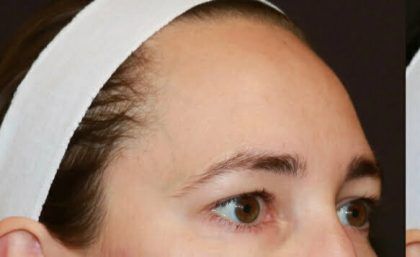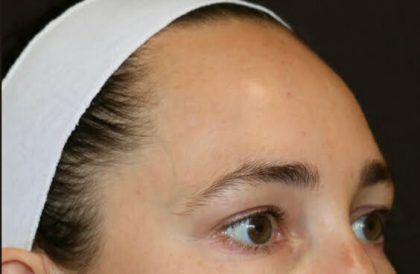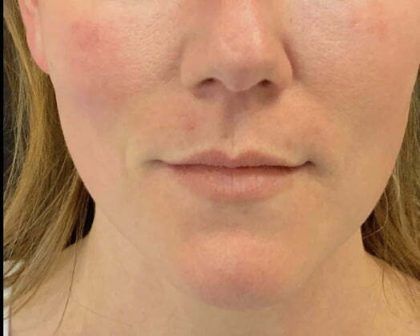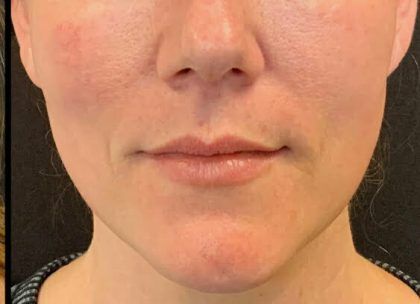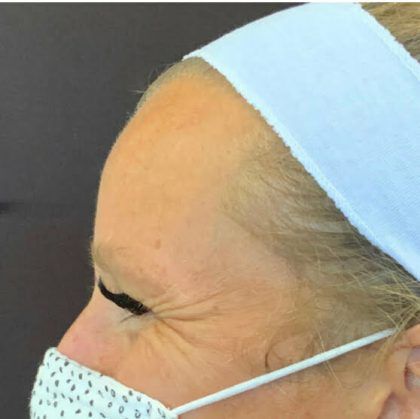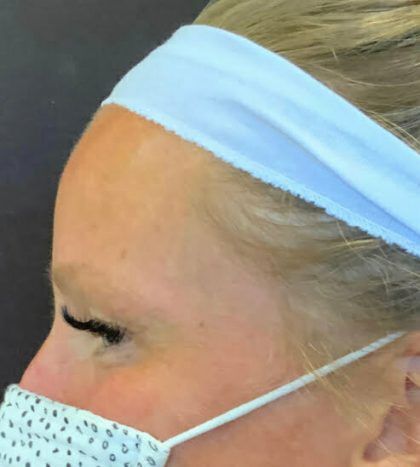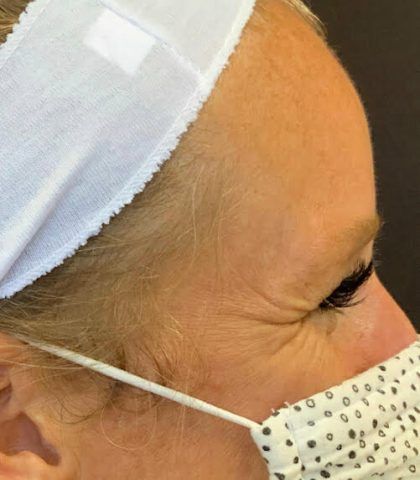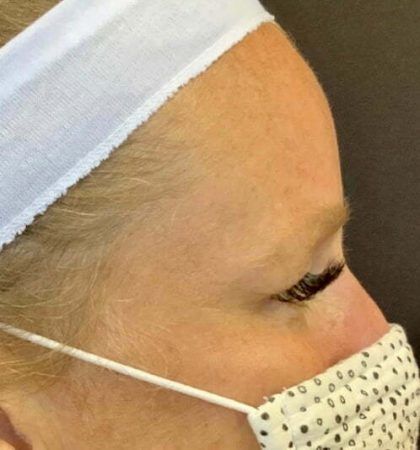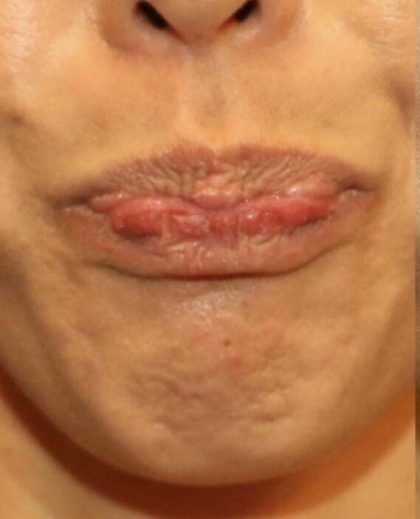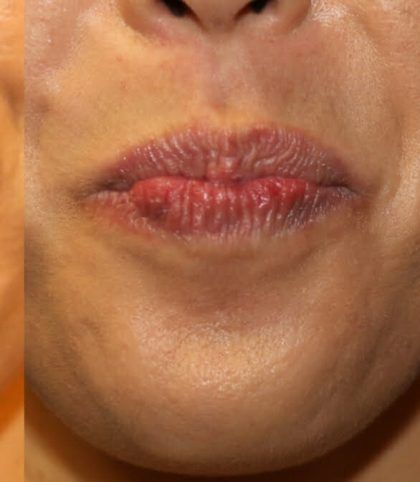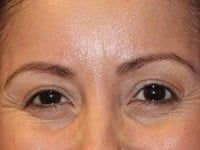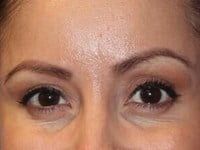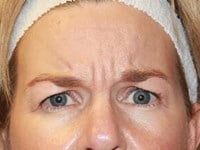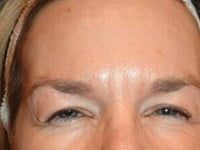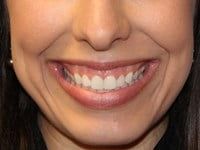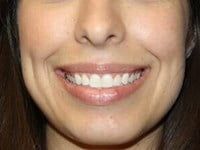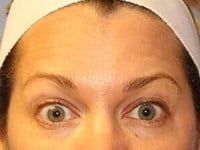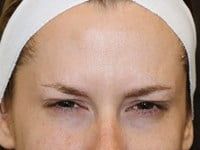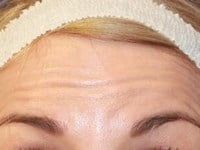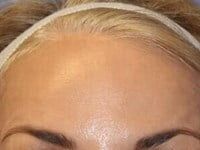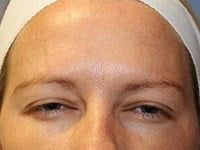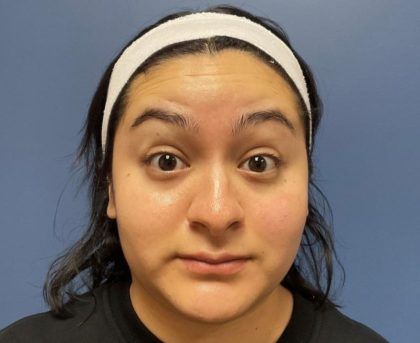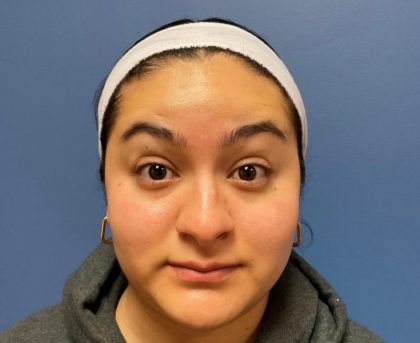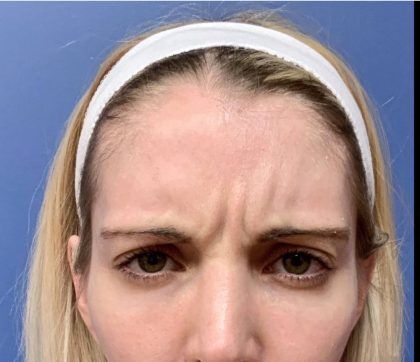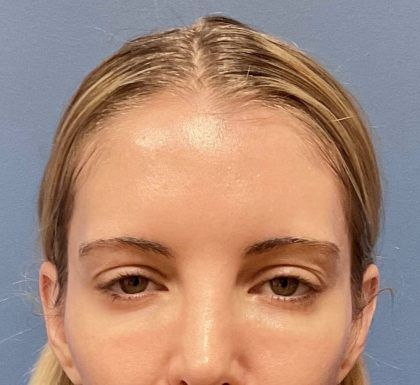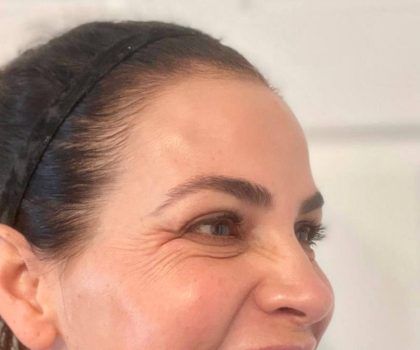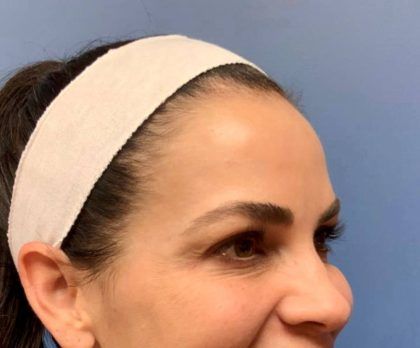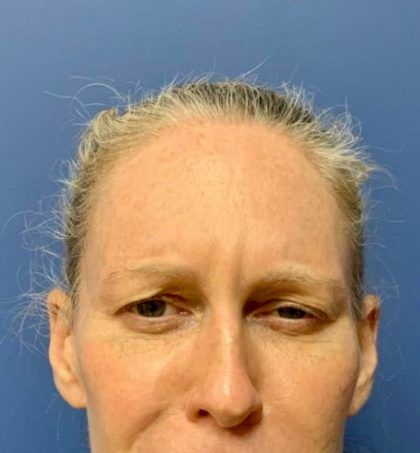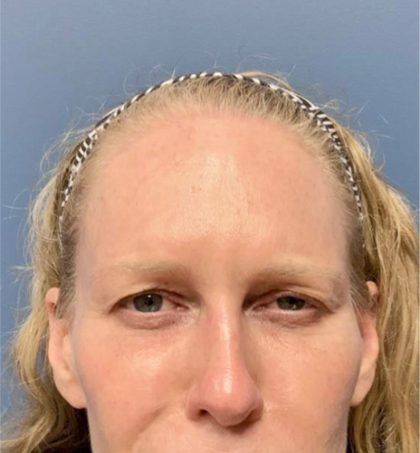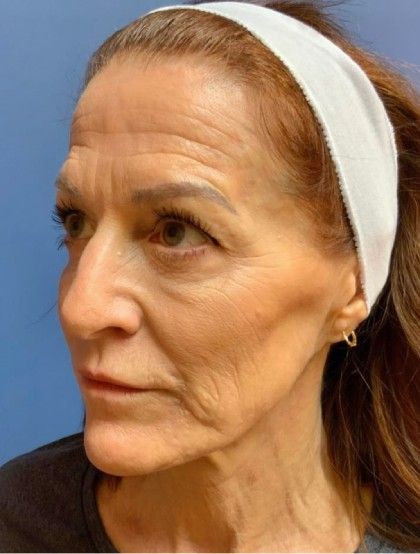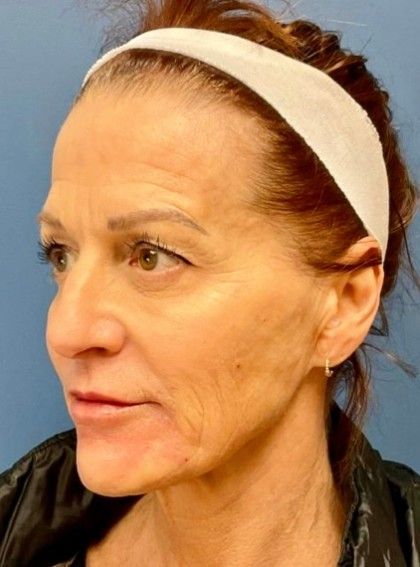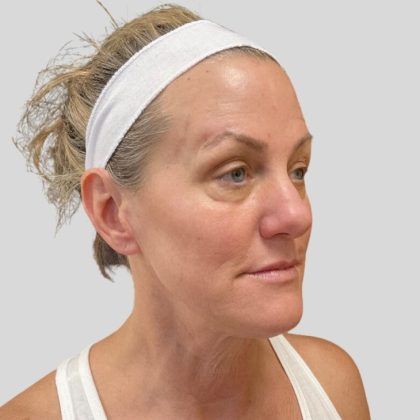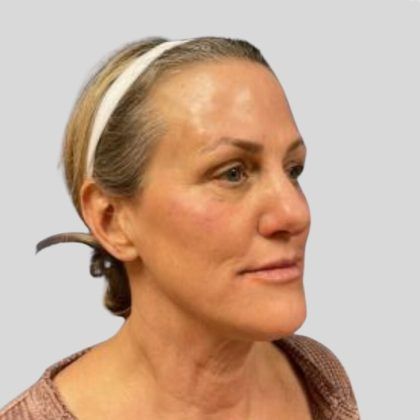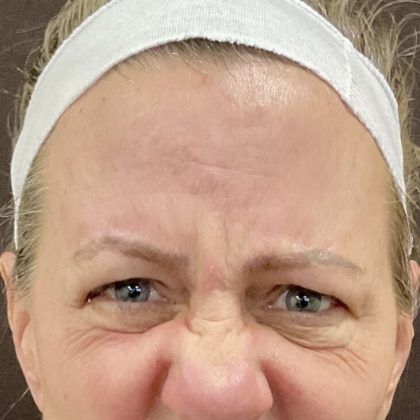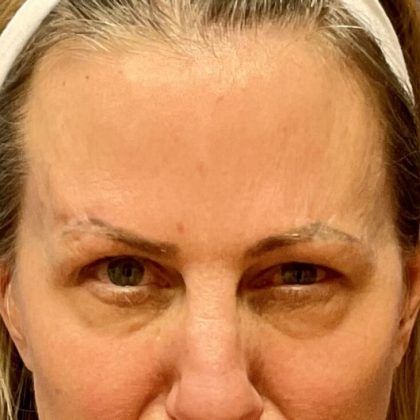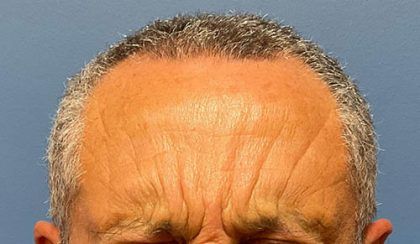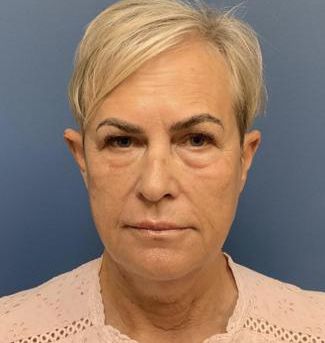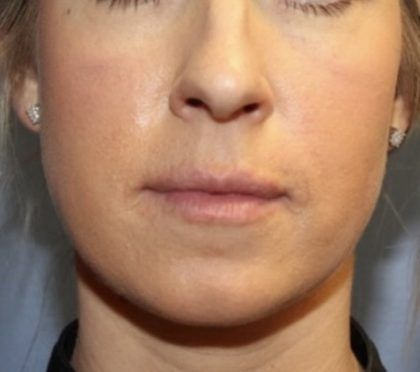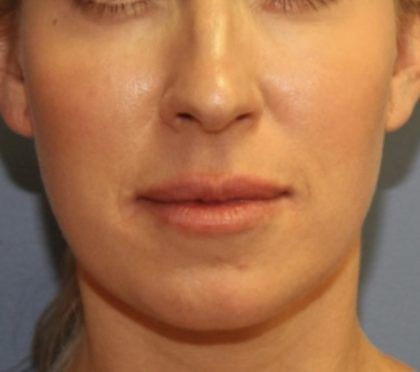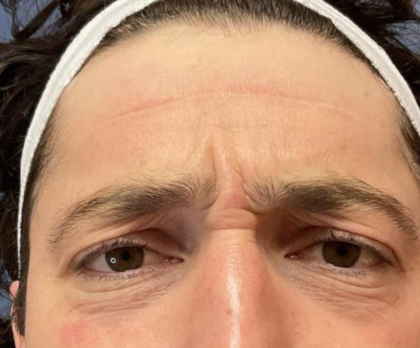
Botox® is one of those treatments most people already know by name. They’ve seen it on friends, heard about it at dinner, or thought about it after noticing that certain expressions seem to linger longer than they used to. The good news is that Botox® can be a very simple treatment to use and maintain.
At Allegro MedSpa in Santa Rosa, we treat Botox® as both a routine aesthetic treatment and a prescription medicine that deserves real precision. Your injector will look at how your face moves, where your muscles are pulling, and how much softening makes sense for your features. The goal is smoother expression and your face still looking like you.
To get in touch with one of our staff, call (707) 537-2123 or schedule your consultation through our online form.
1 of 24
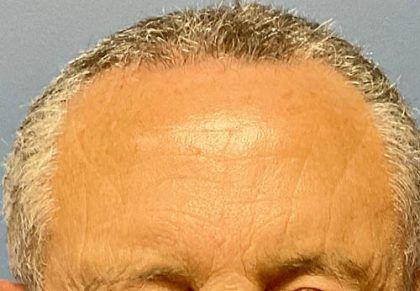
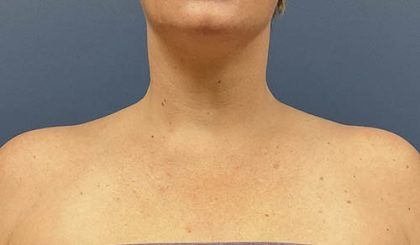
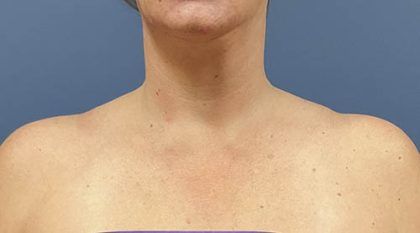
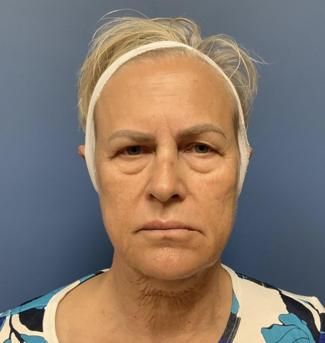
Botox® Cosmetic is an injectable neuromodulator made from botulinum toxin type A. It relaxes targeted facial muscles and select neck muscles for a set period, helping temporarily improve frown lines, forehead lines, crow’s feet, and platysma bands in adults. Botox® changes movement. It does not add volume under the skin. It softens the muscle activity that keeps folding the skin in the same place.
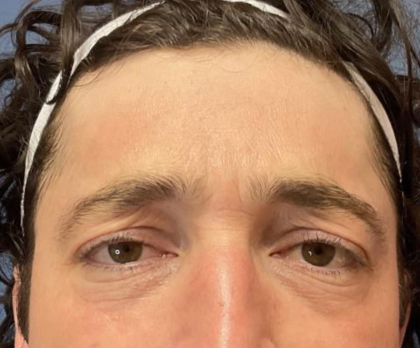
Botox® can help in areas where repeated muscle movement creates lines, pulling, heaviness, or tension.
Common Botox® treatment areas include:
This is where consultation helps. If the main concern is loose skin, volume loss, etched facial wrinkles at rest, or crepey texture, Botox® may play a smaller role. Fillers, laser treatment, skin care, or another solution may fit the concern better.
Botox® sits inside the beauty world now, but it has a broader medical background. Botulinum toxin products are used by doctors for several medical conditions, including chronic migraine, overactive bladder, urinary incontinence related to certain nerve conditions, cervical dystonia, blepharospasm, strabismus or crossed eyes, severe underarm hyperhidrosis, and muscle spasticity, including care plans for some patients with cerebral palsy.
Those medical purposes are separate from cosmetic Botox® appointments. Migraine treatment, overactive bladder treatment, dermatologic surgery uses, and neurology protocols involve different doctors, different injection patterns, and different units. We include this background because it explains why a quick Botox® visit still deserves a medical review.

Botox® works at the place where the nervous system talks to a muscle. In plain terms, botulinum toxin reduces the release of acetylcholine, the chemical messenger nerves use to tell certain muscles to contract. When that signal softens, the treated muscle contracts with less force.
That is why Botox® and dermal fillers solve different problems. Botox® works on movement. Filler adds support under the skin. A line that appears when you frown, squint, smile, or lift your brows may respond well to Botox® injections. A fold that stays visible while your face is at rest may need filler, skin treatment, or a combined plan.
Dose matters. Placement matters more. Good Botox® is measured in milliliters, units, and restraints.
Botox® is popular because it fits real life. The appointment is short, downtime is low, and the treatment can soften lines that make a face look tense or tired. Research, clinical trials, and long-term use in dermatology support its place as one of the most familiar injectables in cosmetic care.
Benefits of Botox® may include:
A small everyday win: your face looks less tense in photos, meetings, and normal conversation. You still look like you.
Botox® works best for adult patients whose lines are driven by expression. You may be looking at your forehead, frown lines, crow’s feet, lip movement, chin texture, jawline tension, or neck bands and wondering how much can be softened without changing the way you look.
Good candidates for Botox® may include adults who:
Our team may slow down, adjust the plan, or choose another option when Botox® is not the best fit. This can include:
A good Botox® plan has restraint built in. Some patients need fewer units. Some need a different neurotoxin. Some need filler, laser treatment, or no injection that day.
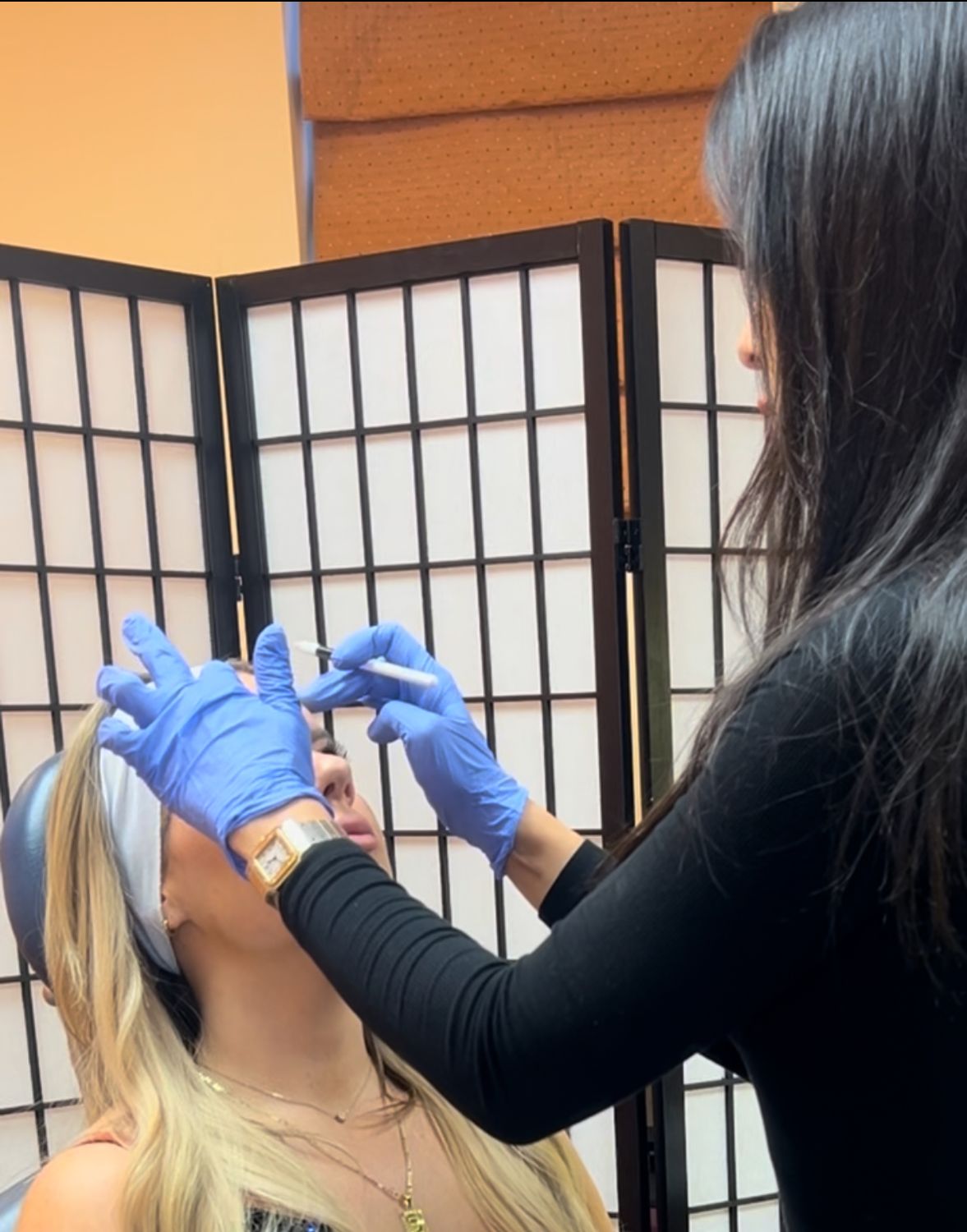
A Botox® appointment is short. Planning is an important part. Your injector needs to see how your face moves before a needle touches the skin.
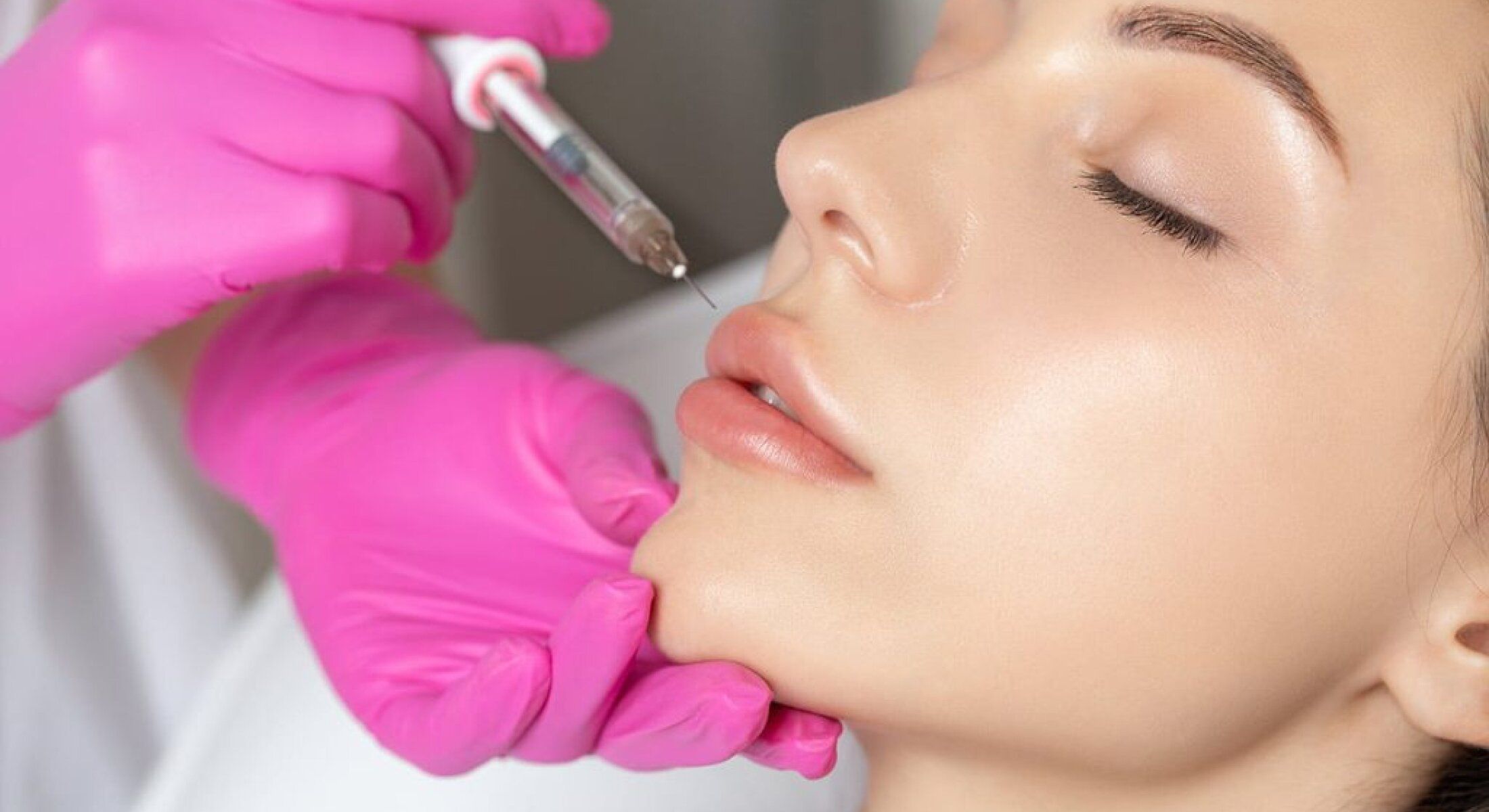
Most patients describe Botox® as quick pinches or tiny mosquito bites. Certain spots near the lip or nose may sting more than the forehead. Numbing is not needed for most Botox® visits.
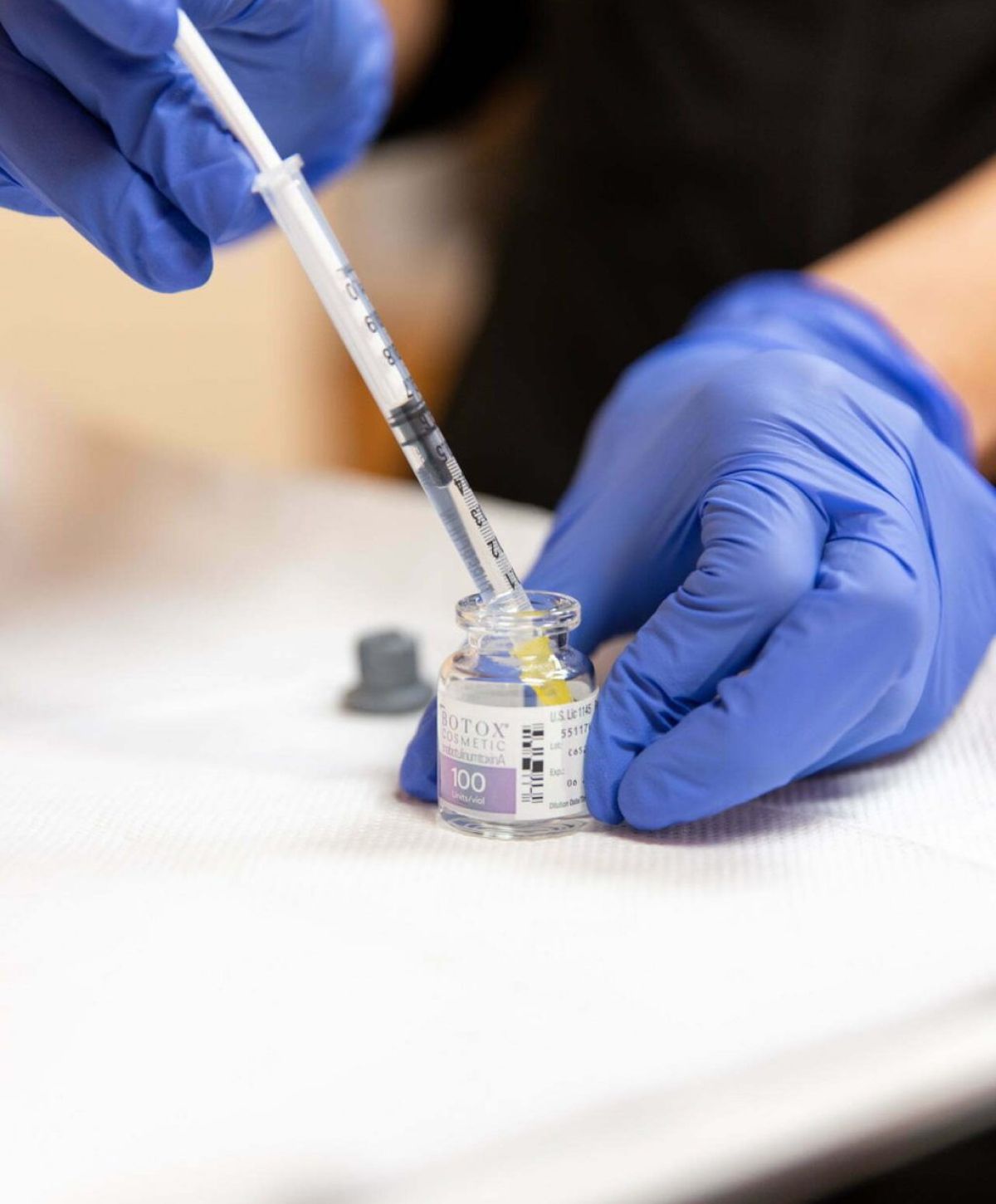
Botox® is a prescription medicine, and potency units are product-specific. Botox®, Dysport, and Daxxify are not dosed as direct one-for-one swaps. At Allegro MedSpa, your dose, injection sites, product, and follow-up plan are documented with care to protect your safety and your results.
Recovery after Botox® is simple for most patients. You may leave with tiny bumps, a little redness, swelling, tenderness, or small marks at the injection sites. Bruising can happen. These changes tend to settle with time.
Most patients head back to work, errands, or normal plans right after treatment. If you bruise with ease, give yourself one to two weeks before an event where you want full control over photos.
Your injector may ask you to avoid rubbing the treated areas, lying flat, strenuous workouts, saunas, facials, and strong active skin care for a short period after treatment. Contact Allegro MedSpa if you notice unusual muscle weakness, vision changes, trouble swallowing, flu like symptoms, or symptoms that concern you.
Botox® does not take effect the second it is injected. Early changes may begin within a few days, and full results are assessed after the treated muscles have had time to settle.
Time After Treatment | What You May Notice |
|---|---|
| Same day | Tiny bumps, redness, swelling, or mild tenderness at injection sites |
| 1 to 3 days | Early softening may begin in some treated areas |
| 5 to 7 days | Movement may feel reduced, with smoother expression lines |
| 10 to 14 days | Many patients feel the result has settled enough for review |
| Up to 30 days | Some areas may continue reaching full results |
| 3 to 4 months | Movement returns as the medication wears off |
Botox® has a small awkward window for some people. Tiny bruises, pinprick bumps, or a temporary heavy feeling can happen. Planning around those details is part of doing the treatment well.
Botox® results can last around three to four months for many cosmetic treatment areas. Some patients process it faster. Some keep results a bit longer, depending on the area treated and the dose used.
How long Botox® lasts can depend on the treated area, muscle strength, number of units used, metabolism, facial movement, and treatment consistency. The first visit helps us learn how your muscles respond.
Botox is not a one-time treatment for most patients. You will see results after a single appointment, but the effects gradually wear off over approximately 3–4 months. Ongoing treatments are needed to maintain your results.
A simple way to think about it:
If you are new to Botox®, starting with a measured first treatment is smart. You can add more with a provider’s approval. You cannot take away an over-treated look until the product wears down.
Botox® is one neuromodulator option. Allegro MedSpa also offers Dysport and Daxxify, which belong to the same botulinum toxin family but have different formulations, dosing patterns, and treatment personalities.
Option | Best For | Main Difference |
|---|---|---|
| Botox® | Frown lines, forehead lines, crow’s feet, brow lift, select neck bands | Familiar neuromodulator with broad cosmetic use and a long treatment history |
| Dysport® | Frown lines and some larger movement areas | Different formulation and spread pattern that may fit certain muscle patterns |
| Daxxify® | Frown lines and select patients seeking a longer-duration profile | Different formulation with a longer effect for some patients |
| Dermal Fillers | Volume loss, contour, folds, lips, cheek support | Adds structure or fullness under the skin instead of relaxing muscle movement |
| Skin Treatments | Texture, tone, pores, sun damage, crepey skin | Improves skin quality rather than muscle contraction |
The choice depends on the face in front of us. Some patients do best with Botox®. Some prefer Dysport or Daxxify. Some need dermal fillers or laser treatment because the line is no longer driven by movement alone.
Yes. Botox® pairs well with other medspa procedures when the goal includes skin quality, facial support, or longer-term maintenance.
Common Botox® pairings include dermal fillers, RHA fillers, lip augmentation, Hydrafacial, Clear + Brilliant, microneedling, and medical-grade skin care.
Good combination care has an order. Botox® may come first when movement is driving the line. Filler may come first when support is missing. Lasers and skin treatments may matter more when texture or sun damage is the main concern.
Botox® looks simple from the outside. A few injections. A short visit. A smoother face. The real work sits in the judgment behind the dose.
At Allegro MedSpa, Botox® is performed in a practice backed by Plastic Surgery Associates and board-certified plastic surgeons. The face is a moving structure, and a good injector understands muscle pull, brow balance, eye shape, smile pattern, neck tension, and the risk of chasing every line.
Allegro MedSpa has served Northern California since 2006. The team includes nurses, physician assistants, nurse practitioners, and licensed aestheticians with more than 150 combined years of aesthetic experience. Allegro has also earned Black Diamond level status from Allergan, the maker of Botox® and Juvéderm®, for nine years.
Our philosophy is simple: smooth what makes sense, preserve what belongs, and stop before the face looks treated. Non-surgical treatments. Surgical precision.
If you are considering Botox® in Santa Rosa, schedule a consultation with Allegro MedSpa. We can help you decide if Botox®, Dysport, Daxxify, filler, laser treatment, skin care, or a combination plan makes sense for your face, timeline, and maintenance goals.
Yes. Botox® Cosmetic has FDA approval for temporary improvement of moderate to severe frown lines, crow’s feet, forehead lines, and platysma bands in adults. Some cosmetic uses, such as lip flip or masseter treatment, are off-label and require provider judgment.
Botox® should soften movement while leaving expression. A frozen look tends to come from dose, placement, or chasing too many lines at once. At Allegro MedSpa, your injector studies how your facial muscles move before treatment so the result looks smooth and still familiar.
Botox® cost in Santa Rosa depends on the number of treated areas, units used, muscle strength, movement pattern, symmetry, and product choice. A small lip flip uses fewer units than full treatment of frown lines, forehead lines, crow’s feet, masseter muscle, and neck bands. Your Allegro provider will give a clear quote after seeing how your face moves.
The most common side effects depend on the treated area, but they can include redness, swelling, bruising, tenderness, headache, eyelid heaviness, or brow heaviness. Serious symptoms are rare, but muscle weakness, trouble swallowing, breathing problems, or vision changes need prompt medical attention.
Botox® is made from a purified form of a toxin produced by Clostridium botulinum, the same bacteria associated with botulism and food poisoning. In medicine, the toxin is purified, measured in units, and injected in controlled doses by trained providers.
Botulinum toxin products have medical uses beyond wrinkles, including chronic migraine, overactive bladder, urinary incontinence, cervical dystonia, crossed eyes or strabismus, blepharospasm, excessive sweating, and spasticity. Cosmetic Botox® appointments are separate from those protocols, but the broader medical use explains why safety screening matters.
Botox® has been studied in clinical trials for specific facial wrinkles. You may see references to two clinical trials for certain approved areas in product materials and labeling. Clinical trial data supports efficacy for studied uses, but your injector still needs to assess your muscle pattern, skin, goals, and health history.
Allegro MedSpa does not treat patients with cosmetic Botox® while they are pregnant. If you are breastfeeding, tell your provider so the team can review your timing, health history, and comfort level with the available data. Many patients wait until pregnancy and nursing are complete.
The number of units depends on the treated areas, muscle strength, movement pattern, and desired level of softening. A lip flip may use a small dose, while frown lines, forehead lines, crow’s feet, and neck bands require more planning. Your provider will quote units after seeing your face move.