If you notice your part getting wider, your hairline moving back, or your ponytail feeling thinner, you might be unsure about what to do next. Hair loss can happen for many reasons, so the first step is figuring out what‘s changed.
At Allegro MedSpa in Santa Rosa, we offer nonsurgical hair restoration options like REVIAN light therapy, Nutrafol, Obagi Nu-Cil, ( plated ) HAIR Serum, and HydraScalp. We work with women and men to find care that matches their needs and daily habits. Patients from Marin County are also welcome to visit our Sonoma County office to talk about their options.
Hair loss, or alopecia, means you have less hair, which might show up as gradual thinning, more shedding, or bare spots. It's normal to lose some hair every day, but if you notice a lasting change in how thick your hair is, it's worth looking into. Some types of hair loss are temporary, while others can get worse if not treated. Sometimes, hair breakage can make your hair look thinner, even if the follicles are still healthy.
Hereditary hair loss, also called androgenetic alopecia, is a common reason for thinning hair. Over time, hair follicles shrink and make finer strands, so your hair looks less dense. Men often see their hairline recede at the temples or notice thinning at the crown. Women might see their part getting wider or thinning across the top of the scalp.
Hormonal changes during childbirth or menopause can also affect your hair. Illness, surgery, stress, or losing a lot of weight can cause a type of hair loss called telogen effluvium, which often leads to more shedding a few months after the event. Other things like thyroid problems, not getting enough nutrients, certain medications, and hairstyles that pull on your hair can also play a role.
Sometimes, more than one cause can happen at the same time. Looking at when and how your hair loss started can help figure out what’s going on.

If your hair keeps thinning or you notice a change in your usual hair volume, it’s a good idea to schedule an evaluation. If you have sudden shedding, round bald spots, scalp pain, redness, or scaling, see a doctor right away. These symptoms might need to be checked and treated by a dermatologist before you try cosmetic scalp treatments.
Certain inflammatory conditions can cause permanent damage to hair follicles. Finding out the cause early can save you time and help you avoid using products that won’t help.
A medical evaluation considers your scalp, the distribution of hair loss, and how long it has been happening. Your health history, family history, recent illnesses, medications, diet, and hair-care habits provide useful clues. Blood tests or a scalp biopsy may be appropriate when a clinician suspects an underlying condition.
Bring a list of the products and supplements you use now, and any older photos that show how your hair has changed. Knowing the cause helps you pick the right hair restoration treatment and see if you need to see a specialist first.
You might want to reduce shedding, keep the hair you have, grow new hair, or make your hair look fuller. Each goal needs a different approach. Scalp treatments care for the skin under your hair, while hair-growth devices are made for certain types of thinning. Your treatment plan should explain what each option can do for you.
If thinning occurs alongside other symptoms of hormonal change, discuss those symptoms with a medical provider. HRT needs its own assessment of your symptoms, health history, and the possible benefits and risks. Hair loss by itself isn’t a reason to start hormone replacement. A clinician should check any hormonal concerns before you think about treatment, and hair changes should be part of that bigger conversation.
HydraScalp with Keravive is a professional scalp treatment that uses exfoliation and light suction to cleanse, followed by peptides and hydration. The manufacturer's regimen also includes a take-home peptide spray.
If you have buildup or your scalp feels dry, this treatment can help your scalp stay healthy and make your hair look better. It works alongside other hair-loss care, but it doesn’t replace a diagnosis or create new hair follicles. Your provider can explain the recommended treatment series and home care.
Nutrafol offers oral hair supplements with formulations for men and different stages of women's lives. These products combine nutrients and botanical ingredients to support hair growth and quality. Formula selection should account for your health history, current medications, and other supplements.
Supplements can’t fix every reason for hair thinning. They shouldn’t take the place of checking for a deficiency or medical issue. Talk to your provider before starting, especially if you’re pregnant or breastfeeding, and give the regimen a few months to see results.
Obagi Nu-Cil BioStim Scalp Serum is a leave-in cosmetic product that supports scalp hydration and the appearance of fuller, denser hair. The formula includes peptides, amino acids, and other ingredients that support scalp and hair condition.
You apply it to your scalp as directed, and it can be part of your at-home routine. It can help your hair look and feel better, but if there’s a medical reason for thinning, that needs its own treatment. Our team can help you see if this product is right for you and how to avoid using too many products at once.
( plated ) HAIR Serum is a topical cosmetic serum formulated with platelet-derived exosomes and other ingredients. The manufacturer's stated benefits focus on the appearance of hair thickness, fullness, and scalp coverage.
This is a leave-in product you put on your scalp. It’s not the same as platelet-rich plasma (PRP) therapy, which uses your own blood to make a treatment that’s injected. The serum’s ingredients are applied to your scalp, not injected. Talk with our team about how it fits into your routine, especially if you already use another scalp serum. Using more products doesn’t always mean better results.
Light-based hair treatments use specific wavelengths and doses to influence activity around hair follicles. Scalp-specific devices have their own treatment protocols and evidence.
Allegro also has full-body red light therapy with the Miracle 6200. This bed is different from a cap that shines light right on your scalp. The results you see with REVIAN may not be the same with the bed. If you want to grow hair, ask which device and schedule are best for you.
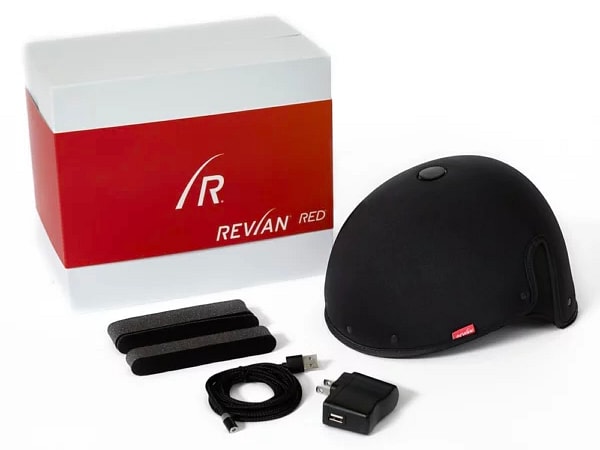
REVIAN Red is an FDA-cleared, all-LED light therapy cap for certain patterns of hereditary hair loss in men and women. It delivers two wavelengths of red light directly to the scalp. The cordless cap pairs with an app for a 10-minute daily session, making at-home treatment practical for people who can maintain a regular routine.
Whether this device is right for you depends on your diagnosis and what the device is approved to treat. Results take a few months, and the cap isn’t right for every type of hair loss. Our team can help you see if it fits your care plan.
The right approach can support your hair and scalp in several ways. Depending on the cause of thinning and the treatment selected, potential benefits include:
Your treatment plan should link each benefit to a specific option. A cosmetic serum, a scalp-cleansing treatment, and a hair-growth device each have their own role, and results can be different for everyone.

Taking care of your hair at home can help. Be gentle, use less heat, and avoid tight hairstyles to prevent damage. Eating well also supports healthy hair. Don’t take extra vitamins unless you know you need them, since they might not help and could even be harmful.
Medical treatments might also be right for you. Topical minoxidil can help some people with hereditary thinning grow more hair and slow down hair loss. Prescription treatments depend on your diagnosis and personal needs. Talk to a qualified clinician about what’s right for you and any possible side effects. If you think a medication is causing hair loss, don’t stop taking it without talking to your doctor first.
Women and men with thinning hair who want to keep their hair or make it look better may be good candidates. Your diagnosis and scalp condition help decide what’s best for you. Some people need to treat an underlying illness first, while others might do well with regular care at home.
Nonsurgical treatments may not work in areas where baldness has been present for a long time or where follicles are permanently damaged. If you’re pregnant, breastfeeding, have scalp irritation, or take certain medications, some products or devices might not be right for you. It’s best to get an evaluation before buying a package or multiple products.
FUE, called follicular unit excision or extraction, is a surgical method of moving individual follicular units from a donor area to thinning or balding areas. It requires suitable donor hair, surgical planning, and recovery.
Allegro MedSpa doesn’t offer FUE hair transplants. We focus on nonsurgical ways to support your hair and scalp health. If you want a surgical change, you should see a qualified hair transplant surgeon. Surgery and nonsurgical care serve different purposes, and it’s still important to understand why hair loss is happening.
Light-based treatments you use at home and topical products usually don’t need any recovery time. HydraScalp is noninvasive, but your provider will tell you how to care for your scalp and when to use other products. If you feel irritation, let your provider know instead of pushing through discomfort. Supplements can also have side effects or interact with other medications.

Hair regrowth doesn’t happen overnight. With the right treatment, you might see less shedding, thicker hair, or fuller-looking hair over a few months. Cosmetic scalp products and medical treatments work differently, so check your progress based on the goals you set with your provider.
Take photos of your hair with the same part, lighting, and angle each time. This makes it easier to see gradual changes. Some treatments need to be used regularly to keep their benefits, so follow-up visits help you decide if you should keep going or try something else.
Cost depends on the approach: a purchased light device, recurring supplements or serums, professional scalp treatments, or a combination. The number of visits and maintenance products affect the total.
Ask for a breakdown that shows the upfront costs and what you’ll pay for ongoing care. Knowing what each part of your plan does can help you pick something you can stick with. We’ll go over pricing and your recommended plan before you decide what to do next.
Allegro MedSpa has been part of the Santa Rosa community since 2006. Our practice is overseen by board-certified plastic surgeons, bringing medical guidance to a broad range of nonsurgical aesthetic services. You can explore professional scalp care and at-home options in one practice, with a team that can explain how they differ.
Hair loss can leave you sorting through a lot of products and promises. We help you understand what each option is intended to do, how it fits into your routine, and what results are realistic. Your plan should give you a clear reason for each recommendation, including when a medical evaluation needs to come first.
At Allegro, we believe in bringing joy to our patients by offering genuine care. When it comes to hair concerns, we help you understand your options and what each one can and can’t do. Our practice offers nonsurgical aesthetic services, all under the guidance of board-certified plastic surgeons.
Bring any questions you have about shedding, scalp care, or products you’ve already tried. Schedule a consultation at Allegro MedSpa to talk about your concerns and find the next steps that work for you.
Yes, REVIAN Red has indications for certain patterns of hereditary hair loss in women as well as men. The labeled criteria still matter. A provider can help you determine if your pattern of thinning is appropriate for the device.
A cosmetic serum should not be expected to replace hair follicles that have been permanently lost. Have a new bald patch evaluated before choosing a product. The cause determines what treatment may help.
They serve different roles. Nutrafol is an oral supplement; a topical serum is applied to the scalp. Your diagnosis, health history, current routine, and desired benefit should guide the choice. You may not need both.
Postpartum shedding can improve as the hair cycle recovers. Persistent or unusual loss deserves evaluation. Breastfeeding can affect product suitability, so check with your clinician before starting supplements or hair-loss treatments.
A provider may recommend complementary care when each part has a useful role. Confirm the timing of light sessions, topical applications, and professional scalp treatments rather than layering everything at once.