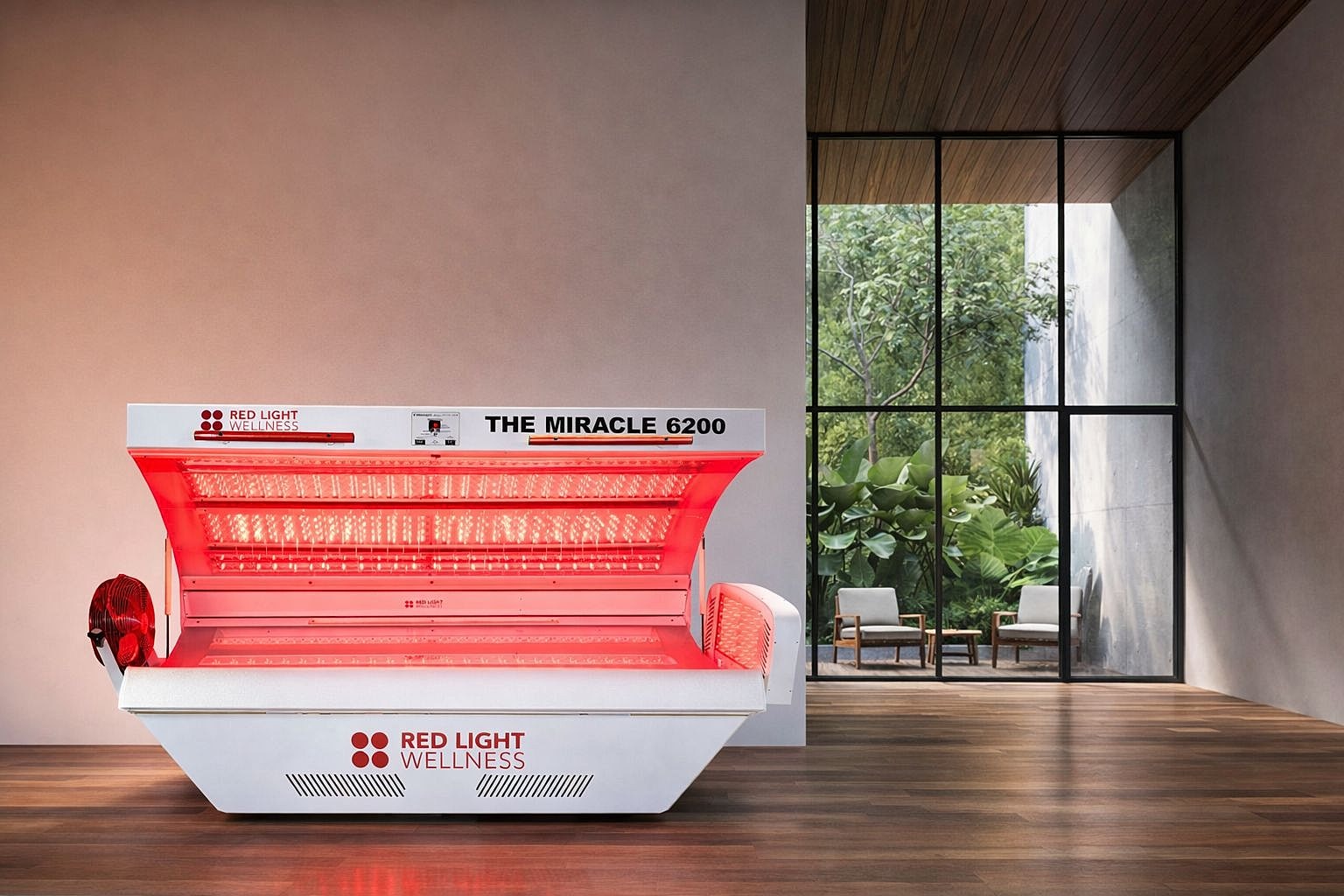
Red light therapy is a simple, noninvasive way to help your skin look healthier, support recovery, and boost overall wellness. At Allegro MedSpa in Santa Rosa, treatments are performed with the Miracle 6200, a professional full-body red light therapy bed that delivers both red and near-infrared light from head to toe. Results appear gradually, so we usually recommend making it part of a regular routine that fits your goals and how your body responds.
Red light therapy uses certain wavelengths of red and near-infrared light to affect activity in the skin and other tissues. Unlike treatments that remove or damage the skin, red light therapy doesn’t cause surface injury. Studies have looked at its use for skin rejuvenation, collagen production, inflammation, recovery, and some types of pain.
No. Tanning beds use ultraviolet radiation, which is responsible for tanning, sun damage, and increased skin cancer risk. Red light therapy uses different wavelengths and doesn’t rely on UV exposure, so it’s not designed to tan the skin.
Red and near-infrared light can reach into the skin and be absorbed by parts of the cells, like the mitochondria. Researchers think this can affect how cells make energy and support processes like collagen production, inflammation, circulation, and tissue repair.
Getting results from red light therapy depends on more than just shining light on the body. Things like the wavelength, intensity, how long and how often you get treated, and what you want to improve all play a role. More exposure isn’t always better, so following the right treatment plan is important.
Red light works closer to the skin’s surface, making it especially relevant to concerns such as skin texture, fine lines, and overall skin quality. Near-infrared light reaches deeper into the tissues, which is why it is also studied for inflammation, muscle recovery, and other recovery-focused uses. The Miracle 6200 delivers red light at 625–670 nm and near-infrared light at 830–910 nm, providing both wavelengths during a full-body session.
Red light therapy has been studied for a range of aesthetic, recovery, and wellness uses. The goal is to match the treatment to what you actually want to improve rather than treat red light as a cure-all.
Red light therapy may support collagen production and help improve fine lines, skin roughness, redness, and overall skin texture. With repeated treatment, it can be a gentle addition to a long-term skin rejuvenation routine.
Red and near-infrared light have also been studied as supportive therapies after surgery. Research in procedures such as rhinoplasty and blepharoplasty suggests that certain treatment protocols may help with postoperative swelling, bruising, discomfort, wound healing, and scar quality. Because timing and treatment settings matter, post-surgical red light therapy should always fit within the recovery plan established by your surgeon.
Near-infrared light reaches deeper into tissue than visible red light and has been studied for inflammation, muscle soreness, and exercise recovery. Red light therapy may be useful as part of a recovery routine, particularly for people looking for a noninvasive option with no downtime.
Red and near-infrared light may influence inflammatory activity and local circulation within treated tissues. These effects are part of why red light therapy continues to be studied for recovery, tissue health, and temporary discomfort.
Certain red light devices have been shown to support hair growth in people with androgenetic alopecia, or hereditary pattern hair loss. Most of that research involves devices designed specifically for the scalp, so those results should not automatically be applied to a full-body red light therapy bed.
At Allegro, the focus is on whether the therapy is appropriate for your goals and how it fits with the rest of your aesthetic or wellness plan.
One of the main benefits of red light therapy is how easily it fits into your daily routine. There are no injections or cuts, and most people can go back to their usual activities right after treatment.
Potential benefits include:
Red light therapy can also work alongside other treatments instead of replacing them. Depending on your goals, it might be added to your skincare, aesthetic procedures, exercise, or other wellness routines.

Red light therapy is increasingly being studied as a supportive treatment during recovery from surgery. Certain red and near-infrared light protocols have been associated with improvements in postoperative bruising, swelling, discomfort, wound healing, and scar quality. Studies after procedures such as rhinoplasty and blepharoplasty have reported encouraging results, although the response can vary depending on the procedure, wavelength, dose, and timing of treatment.
Potential post-surgical benefits may include:
Red light therapy doesn’t replace your surgeon’s postoperative instructions, medications, wound care, compression, activity restrictions, or follow-up visits. The appropriate timing also varies by procedure. Whether red light therapy can be used near a surgical incision, and when treatment should begin, should be cleared by your operating surgeon or clinical care team.
Red light therapy is simple, but it is important to first make sure it is right for you. Your Allegro provider will go over your goals, medications, health history, and other treatments before suggesting a schedule.
Please tell us about any medications, supplements, medical or skin conditions, or if you have ever been sensitive to light. Some medicines and health issues can make you more sensitive to light, so this information helps us decide if red light therapy is safe for you. You’ll also receive instructions on clothing, skincare products, and anything that should be removed before treatment based on the device and protocol.
You will relax in the Miracle 6200 full-body bed while red and near-infrared light is delivered from head to toe. A typical session lasts about 8 to 15 minutes, with no needles or anesthesia required. Your provider will explain how to prepare for treatment and whether protective goggles should be worn during your session.
Usually, there is no recovery time after red light therapy. Most people can go back to work, exercise, errands, and other daily activities right away. Short-term side effects are usually mild and may include temporary redness, irritation, or sensitivity of the skin. Sticking to the recommended treatment time and schedule helps lower the risk of irritation.
Red light therapy can be a good choice for adults who want a gentle, noninvasive way to refresh their skin, support recovery, or keep up with aesthetic care. It is especially appealing if you prefer treatments without injections, anesthesia, or downtime.
It’s important to have the right expectations. Red light therapy usually brings gradual changes and often needs several sessions. If you’re mainly concerned about loose skin, deep wrinkles, pigmentation, or want body contouring, your Allegro provider might suggest a different treatment that fits your needs better.
Let your provider know if you have any medical or skin conditions that make you sensitive to light, or if you take medications that can cause photosensitivity. Some skin conditions and health issues can also affect whether red light therapy is right for you. If you’re prone to hyperpigmentation, you may need extra guidance because visible light can affect skin differently based on your skin tone and how your skin reacts.
Red light therapy is usually a low-risk, noninvasive treatment when used correctly. It doesn’t expose your skin to UV rays, and most short-term side effects are mild. Safe treatment depends on using the right device, treatment time, frequency, and safety steps. Getting red light therapy in a professional setting lets you talk about your medications, photosensitivity, eye protection, and other important factors before starting.

Red light therapy usually works over time, so you may see changes gradually after several treatments instead of just one. How fast you notice results depends on your goals, the device settings, how often you get treated, and your personal response.
For skin rejuvenation, studies often look at repeated treatments over several weeks. Maintenance sessions can also help with some goals since skin aging and other changes keep happening over time.
There is no one-size-fits-all schedule for red light therapy. The wavelength, intensity, how long and how often you get treated can all affect your results. Your Allegro provider will suggest a schedule based on the device and your goals. Getting treated more often does not always mean better results.
You can find many at-home red light masks, wands, panels, and other devices. Some have research backing certain uses, but things like output, wavelength, coverage, and quality can vary a lot between products.
A professional full-body red light therapy device covers much more area than a facial mask or handheld panel. Plus, with professional treatment, you get expert advice on whether red light therapy is right for your needs instead of having to figure it out by yourself.
If you’re choosing between an at-home red light device and professional treatment, a consultation can help you learn what each option does, how often you might need treatment, and if another service would better fit your needs.
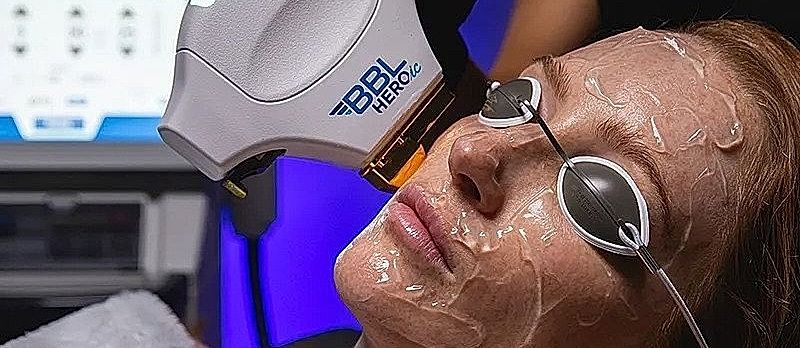
Yes, red light therapy can be part of a bigger aesthetic or skincare plan when it makes sense. At Allegro, we also offer treatments like microneedling, chemical peels, BBL HERO, and non-surgical skin tightening.
Which treatments work best together depends on your skin, your goals, and timing. For example, treating acne can mean different things depending on whether you have active breakouts, inflammation, pigmentation, or scarring. Red light therapy can support some plans, but it should not replace proven treatments that might work better for your specific issue.
Allegro MedSpa is led by board-certified plastic surgeons and has a team that includes physician assistants, registered nurses, nurse practitioners, and licensed aestheticians. We focus on ongoing education, advanced technology, and creating personalized treatment plans.
This wide range of expertise is especially helpful with red light therapy. Our goal isn’t just to see if you can use the treatment, but to find out if it’s the right fit for your needs and how it works with other options we offer.
You don’t have to decide ahead of time if red light therapy is right for you. At your Allegro MedSpa consultation, you can share what you want to improve, talk about your health history and routine, and find out if full-body red light therapy fits your goals.
Your provider will also go over whether you are a good candidate, how often you might need treatment, what results to expect, maintenance, other options, and the cost of red light therapy. This way, you will have all the information you need before making a decision.
Red light therapy has scientific evidence supporting certain applications, particularly aspects of skin rejuvenation and some forms of hair loss, although evidence for other uses varies considerably. Results depend on the concern being treated as well as factors such as wavelength, treatment intensity, frequency, and device design, so results from one type of red light therapy device cannot necessarily be applied to every other system.
Most red light therapy treatments are performed as a series rather than a single session, and the number you need will depend on your goals and the system being used. Your Allegro provider can recommend an initial schedule and adjust it based on how you respond.
A session typically lasts about 8 to 15 minutes. Your provider can recommend the appropriate treatment schedule based on your goals and how red light therapy fits into your overall plan.
Red light therapy is noninvasive and generally well tolerated, with no injections, incisions, or anesthesia involved. Some people may notice mild warmth, temporary redness, or skin sensitivity during or after treatment.
No. Red light therapy uses visible red and near-infrared light rather than ultraviolet radiation, so it works differently from tanning booths and other sources of UV exposure.
No. Red light therapy isn’t designed to produce a tan because tanning occurs primarily in response to ultraviolet exposure.
Red light therapy can be considered for a wide range of skin tones, but individual response still matters. People who are prone to hyperpigmentation may require additional consideration because visible light can sometimes affect pigmentation, so your provider can review your skin history before recommending treatment.
Not necessarily. More frequent treatment does not automatically lead to better results, and the appropriate schedule depends on the device, treatment intensity, session length, and your goals. Follow the protocol recommended by your provider rather than increasing exposure on your own.
Red light therapy cost at Allegro MedSpa will depend on your recommended treatment plan, including the number and frequency of sessions. Because treatment is often performed as a series, your total cost may differ from the price of an individual appointment, and the Allegro team can explain current pricing and any applicable package or membership options during your consultation.